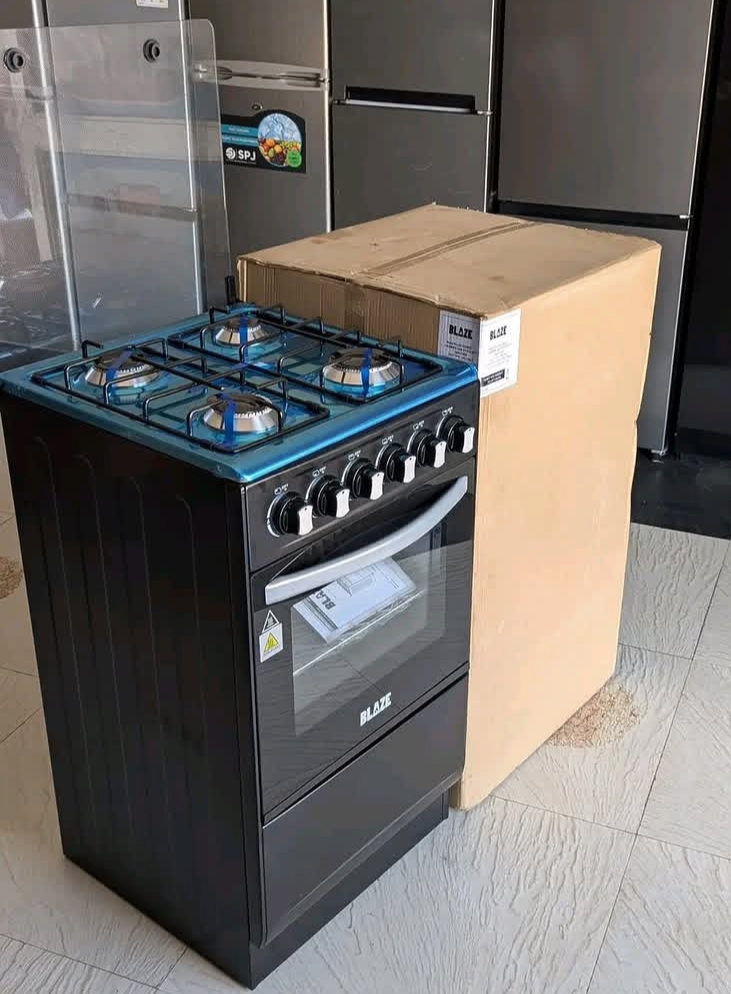
How to Start a Gas Cooker Business in Nigeria (2026 Guide)
From Zero Capital to Daily Profit: The Real LPG Opportunity in Nigeria✍️ Meta Title (SEO)
How to Start a Gas Cooker Business in Nigeria (2026 Guide): Profit, Steps, Capital & Mistakes
Author :
Written by Studydash Editorial Team
We focus on real-life Nigerian stories, motivational insights, and practical business education rooted in everyday survival and success.
Disclaimer
This article is for educational purposes only. Business outcomes depend on location, management, market conditions, and capital. Readers should verify suppliers, pricing, and safety regulations before investing.
INTRODUCTION: WHAT IF YOUR DAILY COOKING HABIT IS SOMEONE’S MILLIONAIRE BUSINESS?
Have you ever stopped to ask yourself:
“Why does everyone in Nigeria still need gas cookers, even during recession?”
Electricity fails. Fuel prices rise. But food? Food must be cooked.
That single truth is why the gas cooker and LPG business is silently one of the most powerful survival industries in Nigeria.
Yet, most people ignore it because it looks “too simple.”
But here is the reality:
The simplest businesses in Nigeria are often the most profitable, if you understand the system behind them.
This is not just a business idea.
This is a daily demand economy.
BACKGROUND: HOW NIGERIA SHIFTED TO GAS COOKING CULTURE
Over the last decade, Nigeria has experienced a major shift in household energy usage.
According to energy consumption insights from SMEDAN and energy transition reports in Nigeria:
- LPG usage has steadily increased in urban areas
- Kerosene dependency has dropped significantly
- Gas is now the “middle-class standard cooking fuel” Why this shift matters:
Because when a country shifts energy habits, it creates a new billion-naira supply chain ecosystem.
That ecosystem includes:
- Gas cookers
- Cylinders
- Accessories
- Refilling stations
- Distribution networks
And YOU can enter at any level.
REALITY CHECK: STRUGGLES OF A SMALL BUSINESS OWNER IN ONITSHA
A young trader in Onitsha started with just ₦200,000.
His goal was simple:
“Sell gas cookers and survive.”
But reality hit:
- Customers doubted his products
- Sales were inconsistent
- Competition was everywhere
- Profit was slow
At some point, he considered quitting.
Then he made one change:
He stopped selling products only… and started selling SOLUTIONS:
- Installation service
- Free usage guidance
- Home delivery
- Flexible pricing negotiation
Within months:
- Customers started referring others
- Trust increased
- Profit became stable Lesson:
In Nigeria, trust is more valuable than inventory.
OPPORTUNITY REVEAL: WHAT EXACTLY IS THE GAS COOKER BUSINESS?
The gas cooker business includes a full ecosystem:
Product Sales- Table-top cookers
- Standing cookers
- Built-in kitchen cookers LPG Equipment
- Gas cylinders (3kg, 6kg, 12.5kg, 25kg)
- Regulators
- Hoses
- Burners Services
- Installation
- Repairs
- Refilling partnerships
- Delivery services WHY THIS BUSINESS IS STRONG IN 2026 *Daily necessity product
*Recession-resistant demand
*High repeat customer base
*Works in all Nigerian cities
*Easy entry for beginners
*Scalable into distribution business REAL DATA & MARKET INSIGHT (CREDIBILITY SECTION)
According to SMEDAN SME performance reports:
- SMEs contribute nearly 50% of Nigeria’s GDP
- Retail and household goods dominate informal markets
According to Nigeria LPG market analysis:
- Nigeria consumes over 1.5 million metric tons of LPG yearly
- Urban adoption continues to increase due to cost of fuel and electricity instability Interpretation:
Every new estate built = new gas customers.
STEP-BY-STEP GUIDE: HOW TO START GAS COOKER BUSINESS IN NIGERIA
STEP 1: PICK YOUR BUSINESS MODEL
-Retail Shop Model
Sell directly to customers.
-Wholesale Model
Supply smaller retailers.
-Hybrid Model (BEST)
Retail + installation + accessories + refilling partnership.
STEP 2: STARTUP CAPITAL (REALISTIC RANGE)
- Small scale: ₦100,000 – ₦300,000
- Medium scale: ₦300,000 – ₦1,000,000
- Large scale: ₦1M – ₦5M -Start small, scale fast.
STEP 3: FIND TRUSTED SUPPLIERS
Key sourcing locations:
- Lagos (Alaba, Ladipo markets)
- Onitsha Main Market
- Aba Industrial clusters Avoid fake gas accessories. Safety matters.
STEP 4: CHOOSE THE RIGHT LOCATION
Best locations include:
- Busy residential estates
- Near markets
- Roadside visibility areas
- Newly developing neighborhoods Visibility = free daily marketing.
STEP 5: REGISTER YOUR BUSINESS (IMPORTANT FOR TRUST)
- Register with CAC (Corporate Affairs Commission)
- Optional: SMEDAN registration for SME support *This builds credibility with suppliers and customers.
STEP 6: STOCK SMART (DON’T OVERBUY)
Start with:
- 6kg cookers
- 12.5kg cylinders
- Regulators
- Hoses
- Burners Focus on fast-moving items first.
STEP 7: MARKETING STRATEGY (NIGERIA STYLE)
- WhatsApp status marketing
- Facebook marketplace ads
- Local banners
- Referral bonuses
- Word-of-mouth strategy
STEP 8: ADD VALUE (THIS IS WHERE MONEY MULTIPLIES)
- Free installation
- Delivery services
- Gas safety education
- Emergency support service Value = customer loyalty. PROFIT BREAKDOWN (REALISTIC NIGERIAN MARKET)
Example 1: Gas Cooker
- Buying price: ₦25,000
- Selling price: ₦32,000
Profit: ₦7,000 per unit
Example 2: Accessories
- Hose: ₦1,500 → ₦3,000
- Regulator: ₦2,000 → ₦4,000
Monthly Scenario (Small Shop)
- 20 cookers = ₦140,000 profit
- Accessories = ₦50,000 – ₦150,000 Total: ₦190,000 – ₦300,000 monthly (realistic small scale)
DEEPER INSIGHT INTO THE GAS COOKER VALUE CHAIN IN NIGERIA
Understanding the Full Gas Cooker Ecosystem (What Most Beginners Don’t Know)
One major mistake many beginners make when entering the gas cooker business in Nigeria is thinking it is just about “buying and selling cookers.”
In reality, this business is part of a larger energy supply chain ecosystem that connects multiple income streams together.
If you only focus on selling cookers, you are leaving money on the table.
The full ecosystem includes:
- Gas cooker retail sales
- Gas cylinder distribution
- LPG refilling partnerships
- Installation and maintenance services
- Spare parts and accessories supply
- Kitchen appliance cross-selling
Each of these segments is a separate income stream, but they all connect under one umbrella: domestic energy consumption.
This is why smart business owners don’t just “sell cookers”—they build gas solution centers.
Why Multi-Income Strategy Wins in Nigeria
In Nigeria, relying on a single product line is risky because of:
- Price fluctuations in import goods
- Dollar exchange instability
- Seasonal purchasing behavior
- High competition in retail markets
However, businesses that combine multiple income streams survive longer.
For example:
- A customer who buys a cooker today may need installation tomorrow
- That same customer may later need a gas cylinder upgrade
- Later, they may need a regulator replacement or hose replacement This means one customer can generate income 3–5 times over time.
That is where real profit is hidden.
Practical Market Behavior (Real Nigerian Buyer Psychology)
Understanding how Nigerian customers behave is key to success:
- Trust before purchase
Most customers don’t immediately buy gas appliances. They ask questions like:
- “Is it original?”
- “Will it last?”
- “Has anyone used it before?”
- Price sensitivity
Even wealthy buyers still compare prices across multiple shops.
- Recommendation-driven buying
Over 70% of purchases happen through:
- referrals
- friends
- neighbors
- WhatsApp recommendations
- Fear of gas safety
Many customers fear gas explosions or leaks, so they prefer sellers who:
- explain usage
- offer installation
- show proof of safety This means your success depends heavily on trust-building, not just pricing. How Smart Sellers Differentiate Themselves
In a crowded market like Onitsha, Aba, or Lagos, competition is strong.
So how do successful sellers stand out?
- Branding their shop as a “Gas Kitchen Solutions Center”
Instead of “just a shop,” they position themselves as experts.
- Offering after-sales support
This includes:
- Installation help
- Emergency repair advice
- Free consultation
- Educating customers
They teach:
- How to detect gas leaks
- How to maintain cookers
- How to use regulators safely
Education builds authority.
Hidden Income Opportunities Inside the Business
Most beginners ignore these extra income sources:
Installation Fees
Each installation can earn ₦2,000 – ₦10,000 depending on complexity.
Maintenance Services
Monthly or occasional servicing creates repeat income.
Bulk Supply Contracts
Supplying estates, hotels, or restaurants increases income stability.
Accessories Upselling
Hoses, burners, and regulators often give higher profit margins than cookers.
In many cases, accessories bring more consistent profit than the main product.
Risk Factors You Must Understand (Real Talk Section)
No business in Nigeria is perfect. The gas cooker business also has risks:
Currency instability
Most gas appliances are imported or influenced by import pricing.
Fake products flooding the market
Low-quality cookers can destroy your reputation quickly.
Safety liability risk
Incorrect installation can lead to accidents.
Market saturation in urban areas
Big cities have many sellers already.
But these risks can be managed with proper training and supplier verification.
Long-Term Growth Vision (Think Beyond Selling)
If you want to scale beyond survival income, your goal should be:
Phase 1: Retail seller
You start by selling cookers and accessories.
Phase 2: Service provider
You add installation and repair services.
Phase 3: Local distributor
You begin supplying smaller retailers.
Phase 4: LPG brand partner
You partner with gas refill companies.
Phase 5: Full energy business owner
You operate a full kitchen energy supply chain.
At this stage, you are no longer a “shop owner”, you are a business ecosystem operator.
Final Insight: Why This Business Will Keep Growing
Nigeria’s population is growing rapidly, and urbanization is expanding.
More people are:
- moving into cities
- building apartments
- adopting modern kitchens
And modern kitchens require:
gas cookers + LPG systems
This means demand will not disappear anytime soon.
Even during economic downturns, people still:
- cook food
- need energy
- replace broken appliances That is what makes this business recession-resistant. MISTAKES THAT DESTROY GAS COOKER BUSINESSES
- Selling fake or low-quality products
One mistake can destroy trust permanently.
- No installation service
You lose extra income daily.
- Wrong location choice
No visibility = no sales.
- No branding
People forget you easily.
- Poor customer handling
In Nigeria, reputation spreads faster than ads.
GROWTH STRATEGY: HOW TO SCALE FAST
If you want to grow beyond survival:
Step 1: Become a local distributor
Step 2: Partner with gas refill stations
Step 3: Build social media brand
Step 4: Offer installment payment plans
Step 5: Expand into multiple locations
INTERNAL LINKING STRATEGY :Also read more about this:
- “How to Start LPG Cooking Gas Business in Nigeria”
- “Top 10 Profitable Small Businesses in Nigeria 2026”
- “How to Start Kitchen Appliance Store in Nigeria”
- “Low Capital Business Ideas in Nigeria That Work” EMOTIONAL CLOSE: THE TRUTH NO ONE TELLS YOU
Many people in Nigeria are waiting for:
- Government jobs
- Foreign opportunities
- “Big investors”
But meanwhile:
Someone is quietly building income from gas cookers every single day.
Not flashy. Not loud. But consistent.
And consistency is what builds wealth.
FINAL SUMMARY
Gas cooker business is high-demand in Nigeria
Works in all economic conditions
*Low barrier to entry
*Strong profit on accessories and services
*Highly scalable with branding
FAQ (SEO BOOST SECTION)
Is gas cooker business profitable in Nigeria?
Yes. It is highly profitable due to daily household demand.
How much do I need to start?
Between ₦100,000 and ₦500,000 for small scale entry.
Where can I buy gas cookers in bulk?
Lagos, Onitsha, and Aba major markets.
What is the biggest risk in this business?
Fake products and poor location choice.
Can I start without a shop?
Yes, but physical visibility increases trust and sales.