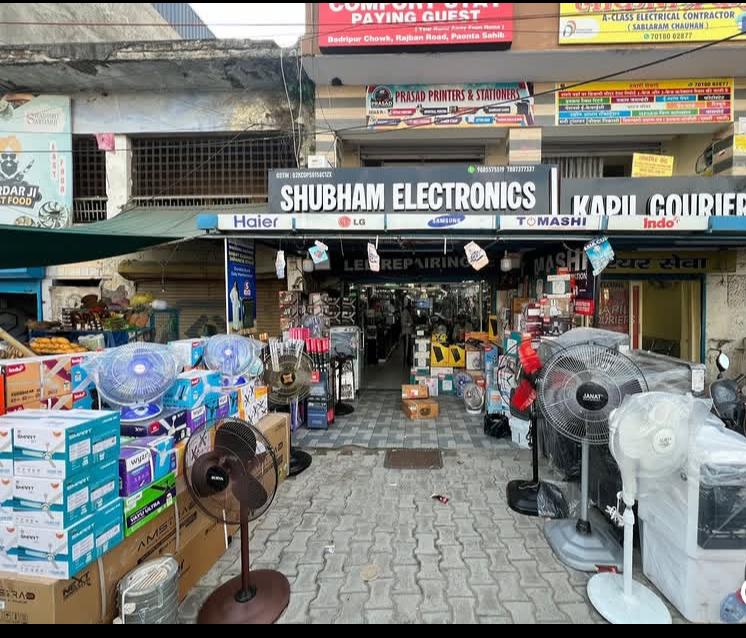
Few Tools You Can Use to Start an Electronic Business in Nigeria
Written by Studydash Editorial Team
We focus on real-life Nigerian stories, motivational, inspirational struggles and success journeys.
INTRODUCTION: The Shocking Question Every Nigerian Youth Must Ask
Have you ever asked yourself this painful question:
“Why are people around me making money from electronics repair, sales, and gadgets while I’m still struggling with job applications?”
Or even more shocking:
“What if I told you that a small electronics business in Nigeria can grow into a multi-million naira empire with just basic tools?”
The truth is uncomfortable.
In Nigeria today, electronics are not luxury—they are survival tools. From smartphones to generators, inverters, home appliances, solar systems, and repairs, millions of Nigerians depend on electronics daily.
Yet, many youths are still unaware that a simple electronic business startup can begin from a small shop, a small toolkit, and determination.
This article will show you:
- The tools you need
- Real Nigerian business opportunities
- Step-by-step guide
- Profit breakdown
- Mistakes to avoid
- Growth strategy
And most importantly… how to turn your struggle into income.
BACKGROUND: THE NIGERIAN STRUGGLE & WHY ELECTRONICS MATTER
Let’s be honest.
Nigeria is a country where:
- Power supply is unstable
- Gadgets break often
- Phones are used heavily
- Small appliances fail frequently
- Repair services are always needed
According to reports from SMEDAN (Small and Medium Enterprises Development Agency of Nigeria), over 80% of Nigerian SMEs rely on informal technical and repair services to sustain daily operations.
Also, NBS (National Bureau of Statistics) data consistently shows that the informal sector contributes a huge portion of Nigeria’s employment—especially in trades like electronics repair, sales, and maintenance.
This means one thing:
Electronics business is not optional, it is essential in Nigeria’s economy.
EMOTIONAL STORY: FROM STRUGGLE TO SURVIVAL
Meet “Victor Paul” (a common Nigerian reality story).
Victor Paul graduated from a polytechnic in Onitsha with dreams of working in an oil company. After 3 years of job hunting, rejection emails became his daily routine.
One day, his uncle gave him a small opportunity:
“Learn electronics repair. Start small. Stop waiting for white-collar job.”
Victor Paul started with just:
- Screwdrivers
- Multimeter
- Soldering iron
- Small toolbox
At first, customers were few. He even doubted himself.
But something changed…
A woman brought a faulty TV.
Then a phone.
Then a generator ignition problem.
Within 6 months, Victor Paul was earning more than some office workers around him.
Today, he runs a small electronics shop and trains apprentices.
His story is not special. It is common in Nigeria.
OPPORTUNITY REVEAL: ELECTRONICS BUSINESS IN NIGERIA
The electronics business covers:
- Phone repair
- Laptop repair
- Generator servicing
- Solar installation
- Appliance sales (TVs, fans, refrigerators)
- Electrical fittings
- Inverter systems
This business works because:
*People depend on electricity alternatives
*Gadgets break daily
*Repair is cheaper than replacement
*Urban and rural demand is high
PROOF & DATA: WHY THIS BUSINESS IS SAFE
Let’s bring credibility:
- Nigeria has over 200 million people (high demand base)
- Over 150 million mobile phone users
- SMEDAN reports show SMEs dominate over 96% of Nigerian businesses
- Electronics repair is one of the fastest-growing informal sectors in West Africa In simple terms:
If people use it, it will break. If it breaks, someone must fix it. That someone is YOU.
STEP-BY-STEP GUIDE: HOW TO START ELECTRONIC BUSINESS IN NIGERIA
STEP 1: Choose Your Niche
Pick ONE:
- Phone repair
- Electrical installation
- Solar systems
- Gadget sales
- Generator servicing Don’t do everything at once. STEP 2: Learn the Skill
You can learn:
- From apprenticeship
- YouTube tutorials
- Technical institutes
- Online courses
Skills matter more than money at the beginning.
STEP 3: Get Basic Tools
Here are essential tools:
Basic Electronics Repair Tools
- Multimeter
- Soldering iron
- Screwdriver set
- Wire stripper
- Tweezers
- Heat gun
- Testing pen Electrical Installation Tools
- Pliers
- Insulated gloves
- Cable cutter
- Voltage tester
- Drill machine Solar/Inverter Tools
- Battery tester
- Solar charge controller tester
- Inverter diagnostic tools STEP 4: Start Small Location
You don’t need a big shop.
Start with:
- Kiosk
- Table space
- Home garage
- Shared workshop STEP 5: Get First Customers
- Tell friends
- Use WhatsApp status
- Join Facebook groups
- Offer discount services STEP 6: Build Trust
- Be honest
- Don’t overcharge
- Deliver fast service
Trust = repeat customers.
PROFIT BREAKDOWN (REALISTIC NIGERIAN INCOME)
Let’s be honest, not exaggerated.
Phone repair:- ₦2,000 – ₦10,000 per repair
- 5 customers daily = ₦10,000 – ₦50,000/day Electrical installation:
- ₦20,000 – ₦150,000 per project Solar installation:
- ₦100,000 – ₦1,000,000 per job Generator servicing:
- ₦5,000 – ₦30,000 per job Monthly estimate:
- Beginner: ₦80,000 – ₦200,000
- Intermediate: ₦200,000 – ₦600,000
- Advanced shop: ₦700,000 – ₦2M+ MISTAKES TO AVOID
Many fail because of:
1. Lack of trainingJumping in without learning.
- Poor customer service
Arguing with customers destroys business.
- Overpricing
Customers will leave immediately.
- Not reinvesting profit
Business dies slowly.
- Doing too many things
Focus brings mastery.
GROWTH STRATEGY: HOW TO SCALE
To grow your electronics business:
- Hire apprentices
Train others, expand output.
- Open second location
Move from stall → shop → showroom.
- Add product sales
Sell:
- Chargers
- Batteries
- Solar panels
- Accessories
- Go digital
Use:
- WhatsApp marketing
- Instagram ads
- Google Business Profile
- Build brand trust
Name your shop professionally.
Deep Practical Insights: How to Survive and Succeed in Nigeria’s Electronics Business
If you truly want to succeed in the electronics business in Nigeria, you must understand one hard truth:
Skill alone is not enough. Strategy is what keeps you in business.
Many people enter this field with excitement but leave within months because they focus only on “making quick money” instead of building a system.
Let’s go deeper into the real-world details that separate those who survive from those who fail.
- UNDERSTANDING THE REAL MARKET DEMAND IN NIGERIA
The Nigerian electronics market is driven by necessity, not luxury.
People don’t buy electronics because they want to—they buy because they MUST.
For example:
- A student needs a phone to attend online classes or exams
- A family needs a generator due to unstable electricity
- A business owner needs a working inverter to avoid power loss
- A church or shop needs sound systems and lighting
- A worker needs a repaired laptop for remote jobs
This creates a constant cycle of demand.
What this means for you:
If you position yourself correctly, you will NEVER lack customers.
But if you position wrongly, you will struggle even in a busy market.
- THE POWER OF “MICRO-SKILLS” IN ELECTRONICS BUSINESS
One mistake beginners make is trying to learn everything at once.
In reality, the electronics business is divided into micro-skills:
Phone repair micro-skills:
- Screen replacement
- Charging port repair
- Software flashing
- Battery replacement Electrical micro-skills:
- House wiring
- Fault detection
- Socket installation
- Circuit protection Solar micro-skills:
- Panel installation
- Battery configuration
- Inverter setup
- Load balancing Each of these skills can independently make you money.
The secret is simple:
Master one micro-skill, then expand.
- LOCATION STRATEGY (THIS CAN MAKE OR BREAK YOU)
In Nigeria, location is not just important—it is EVERYTHING.
A good electronics business location should have:
- High foot traffic
- Nearby shops or markets
- Residential areas
- Students or workers around
Examples of strong locations:
- Near university gates
- Busy motor parks
- Market areas (like Onitsha Main Market environment)
- Residential estates A bad location can kill a good skill.
Even if you are very skilled, people must SEE you to patronize you.
- CUSTOMER PSYCHOLOGY IN NIGERIA (VERY IMPORTANT)
Understanding customers is as important as technical skill.
Nigerian customers usually ask:
- “How much?”
- “Can you reduce it?”
- “How long will it take?”
- “Is it guaranteed?”
What they really want is:
 *Trust
  *Speed
   *Affordability
     *Honesty
Golden rule:
A satisfied customer brings 3 more.
A disappointed customer destroys 10 potential customers.
This is why reputation is more valuable than profit in early stages.
- SUPPLY CHAIN SECRET (WHERE SMART TECHNICIANS WIN)
Most beginners lose money because they buy parts at retail prices.
Smart technicians:
- Build relationships with spare parts suppliers
- Buy in bulk when possible
- Compare prices in different markets
- Reuse repairable components safely
In places like:
- Computer Village (Lagos)
- Onitsha Main Market electronics section
- Aba electronics markets You can reduce cost by up to 30–60%
That difference is pure profit.
- REALISTIC GROWTH TIMELINE
Let’s be honest about how growth actually happens:
First 1–3 months:
- Learning phase
- Low income
- ₦20,000 – ₦80,000 monthly 3–12 months:
- Regular customers
- Word-of-mouth growth
- ₦100,000 – ₦300,000 monthly 1–2 years:
- Stable shop
- Apprentices working with you
- ₦300,000 – ₦1M monthly 3+ years:
- Expansion
- Multiple services
- Brand recognition
- ₦1M+ monthly potential But only if consistency is maintained.
- HARD TRUTHS NOBODY TELLS YOU
Let’s be real:
You will make mistakes
- Wrong diagnosis
- Damaged devices
- Lost customers You will face frustration
- Customers delaying payment
- Price negotiations
- Competition from bigger shops You will feel like quitting
But here is the truth:
Every successful technician went through this stage.
The difference is who stayed longer.
- THE DIGITAL ADVANTAGE (MODERN GROWTH STRATEGY)
Today, electronics business is no longer only physical.
If you ignore digital tools, you are losing money.
Use:
WhatsApp Business
- Showcase repairs
- Post before/after pictures
- Share testimonials Google Business Profile
- Appear on Google search
- Get “near me” customers Instagram/TikTok
- Show repair process videos
- Build trust visually People trust what they can see.
- WHY MANY PEOPLE FAIL (PSYCHOLOGICAL REASON)
Failure is rarely about skill.
It is about:
- Lack of patience
- Poor financial discipline
- No reinvestment
- No mentorship
- Emotional decision-making
Most people want:
“Fast success without process”
But electronics business rewards:
“Consistency + time + discipline”
- FINAL INSIGHT: THINK LIKE A BUSINESS OWNER, NOT A TECHNICIAN
There are two types of people in this industry:
Technician mindset:
- Focus only on repairs
- Wait for customers
- Survive daily income Business mindset:
- Build customer base
- Train others
- Sell products + services
- Scale operations The difference is freedom. EMOTIONAL CLOSE: YOUR FUTURE IS IN YOUR HANDS
Let’s be real.
Nigeria is not easy.
Jobs are scarce.
But opportunities are everywhere.
While some people are waiting for government jobs…
Others are using small tools to build empires.
So ask yourself today:
Will you continue waiting… or will you start building?
Even Emeka started with one screwdriver.
Your own story can start today.
INTERNAL LINKING STRATEGY :
Also read related articles
- “How to Start Small Business in Nigeria with Low Capital”
- “Top 10 Profitable Skills in Nigeria 2026”
- “How to Make Money from Phone Repair Business”
- “Solar Business Opportunities in Nigeria” This improves crawlability and session duration. DISCLAIMER
This article is for educational and informational purposes only. Earnings mentioned are estimates based on common market conditions in Nigeria and may vary depending on location, skill level, and market demand. Readers are advised to conduct personal research before starting any business.
FINAL WORD
Electronics business in Nigeria is not just a trade.
It is:
A survival skill
A wealth opportunity
A long-term career path
And the truth is simple:
Those who start small today… often become the big names tomorrow.